The data clash
Utopia vs Reality
How to read this
“The data clash” is the gap between the utopia — the image of Sweden as one of the world's best, safest and most equal countries — and the reality in the statistics. The charts below show what the numbers actually say, not what we wish they said.
SST + Hammer 2024
199020072024
Human consequence
Persona
A municipal planner.
Then
- Religious infrastructure meant churches and chapels.
- Planning applications for mosques happened once a decade.
- Cemeteries were planned around Christian tradition.
Now
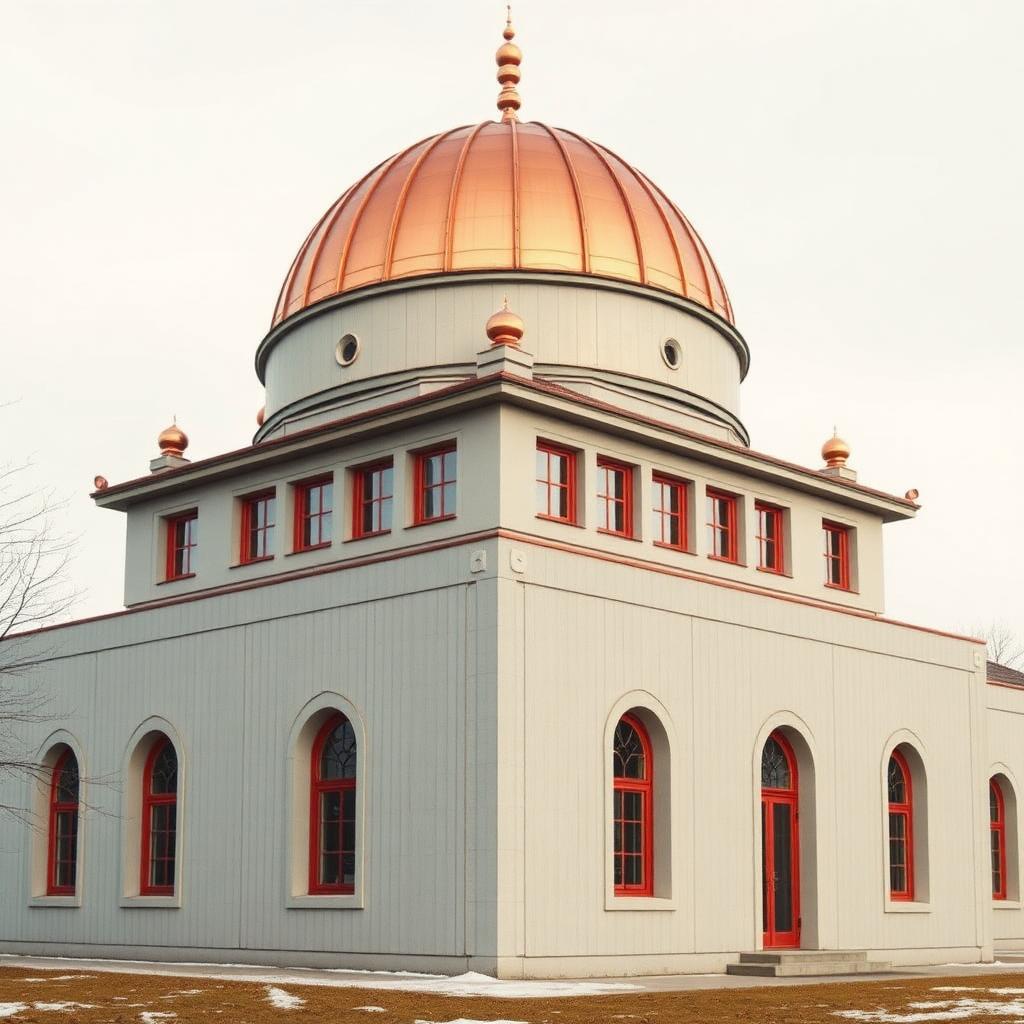
- Mosque applications are recurring items in several municipalities.
- 25+ municipalities have added Muslim burial grounds.
- Funding from Saudi Arabia, Qatar and Turkey has been reviewed by the security services in several cases.
The Nordics — same metric
Method & uncertainty
Definitions
- — SST registrerar trossamfund som tar emot statsbidrag. Räkningen inkluderar källarmoskéer som registrerats hos kommun.
Uncertainties
- — Inget komplett moskéregister finns. Antalen är sammanställda från SST, kommuners byggnadsnämnder och oberoende forskning (Hammer 2024).
2035
What does the religious map look like in 2035 if the construction rate continues?
Linear extrapolation: ≈ 500 mosques by 2035 — more than the ≈ 450 active Swedish free-church congregations today.
Read the full investigation of how Sweden has changed.
Back to overview →